
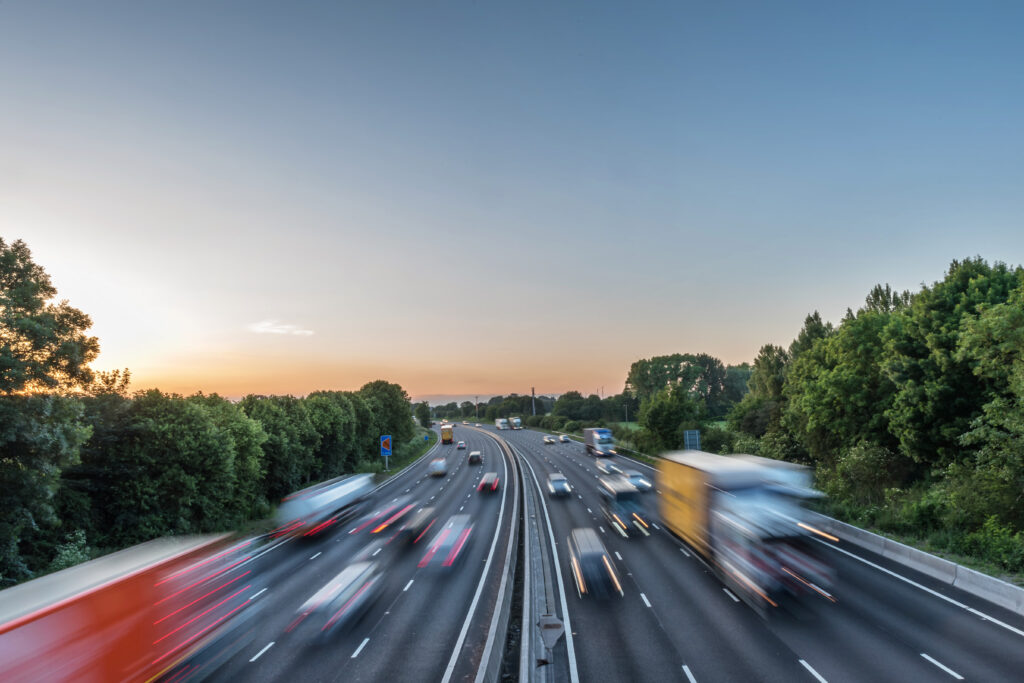
A surface dressing can last around ten years on a busy route when the existing road is structurally sound and the treatment is designed for the traffic using it.
However, vehicle numbers only tell part of the story. The condition of the existing road, the type of traffic, the materials used and the quality of the installation will also affect how long the dressing lasts.
If you manage a commercial estate, access road, housing development or public highway, you need to know whether surface dressing is suitable for your route. This blog explains why.
What does a ten-year surface dressing lifespan mean?
The ten-year lifespan mentioned above refers to the period before the road requires further significant maintenance. It doesn’t mean the surface will remain unchanged for ten years. Its texture and appearance will develop as traffic embeds the chippings and the surface weathers.
You may also be able to surface dress the road again before it needs complete replacement. Applying preventative treatments at the right points in the road’s life can help delay more disruptive and expensive work.
Why does the type of traffic matter?
A busy route carrying cars at a consistent speed usually places less stress on its surface than an industrial entrance used by fewer vehicles.
Heavy goods vehicles apply greater loads than cars. Their tyres can also create substantial forces when the vehicles accelerate, brake or turn. This makes approaches to traffic lights, roundabouts, loading areas, tight bends and steep gradients more demanding than straight sections of road.
You should therefore consider:
- The number of cars, vans and HGVs using the route
- How that traffic is divided between lanes
- Where vehicles brake and accelerate
- Whether lorries make tight turns
- Where vehicles queue, park or manoeuvre
- Whether traffic levels are likely to increase
We use this information alongside the condition and layout of the site to determine the right treatment. A single surface dressing may suit one road, while a racked-in or double dressing with a higher-grade binder may be more appropriate elsewhere.
What else determines how long surface dressing lasts?
The existing road provides the foundation for the new treatment. Surface dressing seals the road against water and restores its texture and skid resistance. It doesn’t involve repairing failed lower layers or removing existing dips and ruts.
Any potholes, cracks and damaged areas should be addressed before dressing begins. Our patching and maintenance services repair localised defects so that they don’t undermine the finished surface.
Drainage matters, too. The new dressing helps prevent water from entering from above, but it can’t correct standing water, failed edges or drainage problems beneath the road. Other factors include:
- Aggregate size and resistance to wear
- Binder type and application rate
- Road surface hardness
- Installation temperature and weather
- Cleanliness of the road and chippings
- Rolling, sweeping and early traffic control
These are among the factors covered by TRL’s Road Note 39, the UK design guide for road surface dressing.
Can surface dressing handle heavily trafficked roads?
Yes, provided the treatment is designed for the conditions. Double and racked-in dressings provide more stability than a basic single dressing in demanding locations. Premium binders may also help the surface withstand heavy traffic and turning forces. Approaches to major junctions, traffic lights and pedestrian crossings may require a different treatment, such as high-friction surfacing.
It’s also important to consider the timing of the installation. Surface dressing works best in warm, dry conditions, generally between April and September. Cold temperatures, rain and humidity can interfere with the binder before the chippings become secure. Late-season work creates more risk on fast, heavily trafficked routes.
When is resurfacing the better option?
Surface dressing is designed to preserve a road that’s still structurally sound. It isn’t the right answer if you have a tired road surface with widespread cracking, deep rutting, movement, repeated pothole failures or extensive patching. These issues may indicate problems below the surface, meaning a dressing would provide only a short-term improvement.
In these circumstances, we may recommend road planing and site preparation followed by new asphalt surfacing. This involves removing the failed surface layer and laying a new asphalt course.
How much disruption should you expect?
We can often apply the surface dressing and reopen the road on the same day. Larger sites may need to be completed in phases, but the process is much faster than removing and replacing the existing surface.
Once the road reopens, drivers may need to follow a temporary speed restriction while traffic beds the chippings into the binder. We’ll return to sweep away loose material, sometimes more than once. Road markings are replaced after the surface has stabilised and the final sweep is complete, which may take several days or weeks depending on the traffic and weather.
We can plan the work around deliveries, opening hours and other busy periods to minimise disruption while protecting the new surface.
Is surface dressing right for your road?
At Midlands Road Surfacing, we’ll assess your road before recommending a treatment. Whether you manage a commercial site, housing development or public road, we’ll help you balance its lifespan, cost and disruption. Contact us to discuss your route and arrange a free, no-obligation consultation.