
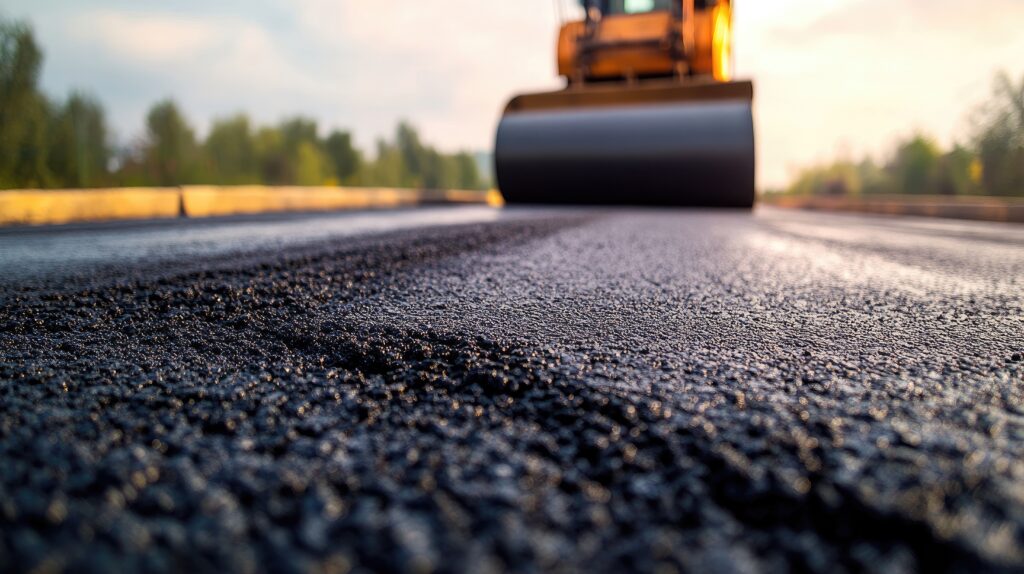
Asphalt is one of those materials most people use every day without thinking about it. You drive over it, walk across it, park on it, cycle along it, and probably only really notice it when it starts to crack, rut, sink or form potholes.
But if you own or manage highways, commercial sites, public spaces, schools, industrial estates, access roads, car parks, farms or private roads, asphalt is a practical surfacing solution designed to create a smooth, durable, safe and hard-wearing surface.
So, what is asphalt, why is it used so widely, and how long should you expect it to last?
That’s what this blog is all about.
What is asphalt?
Asphalt is made using aggregates such as crushed stone, sand and gravel, bound together with bitumen. The aggregate provides the strength and structure, while the bitumen acts as the binder, holding everything together and giving the surface its familiar dark finish.
Crucially, the bitumen provides a degree of flexibility and give.
That’s one of the main reasons why asphalt works so well in the UK. Your surface might need to cope with traffic, temperature changes, rain, surface water, occasional frost, turning vehicles, heavier commercial use, and so on. As such, your surface needs to be strong, but just flexible enough to not crack easily under everyday operation.
A good asphalt surface also depends on what sits underneath it. You need a solid, well prepared and compacted sub-base, effective drainage and the right asphalt depth.
How long does asphalt last?
A well-installed asphalt surface should last around 15 to 20 years, and sometimes longer, depending on how it’s built, used, and maintained. However, it’s lifespan in the real world will depend heavily on traffic, drainage, ground conditions, installation quality and maintenance.
For example, a lightly used private driveway or footpath should last longer than a busy commercial yard taking daily HGV traffic. However, the private driveway won’t require the same structural strength as the yard.
Water is one of the biggest enemies of asphalt. Once moisture gets through any cracks or failed edges, it weakens the layers beneath. Over time, and as traffic pushes down on those weakened areas, those cracks become dips, and those dips become potholes.
Again, how quickly those potholes develop depends on all sorts of factors, including the weather, surface maintenance, traffic frequency, weight, speed and so on.
Why is asphalt such a popular surfacing choice?
At MR Surfacing, we regularly use asphalt to surface yards, roads, driveways, car parks and more. Here’s why we believe asphalt is such a popular surfacing choice for businesses, councils, property managers and private residences:
- Speed. We can often lay asphalt within a single day, depending on the size and complexity of the site. This makes it ideal for sites seeking to minimise disruption, including businesses, schools, public areas and working yards.
- Finish. Asphalt has a tried-and-tested professional appearance. It’s clean and smart, influencing a visitor’s first impressions. Well-maintained, well-marked, tidy asphalt is much more inviting than alternative surfaces like concrete.
- Versatility. You can use asphalt for almost any surface, from roads to footpaths, car parks to loading areas, and yards to driveways. We use different specifications based on the job, from lighter-use surfaces to more robust solutions designed for regular HGV or construction traffic.
- Repairs. When cracks develop, sealing them is a relatively simple task. If they develop into potholes, a pothole repair is also fairly straightforward.
Is asphalt sustainable?
Asphalt is also becoming part of a more sustainable approach to surfacing. The UK asphalt industry is increasing its use of recycled materials and working to reduce energy use by lowering production temperatures.
Let’s be clear, that doesn’t mean every asphalt job is automatically ‘green’. So, you should work with a dedicated environmentally conscious surfacing contractor to reduce your impact through the specification, materials, transport, recycling, preparation and long-term maintenance.
But asphalt does have a useful advantage. When old asphalt is planed off, it can often be reused in new surfacing materials or other construction applications.
What makes asphalt fail early?
Potholes aren’t usually the first sign of an asphalt surface failing. Catching these smaller signs earlier, even in the initial sub-base laying phase, can save you a lot of money:
- Poor drainage – if water doesn’t drain away, it will inevitably find its way into and past any weak points.
- Heavy traffic – especially where vehicles turn sharply, brake hard, or sit in the same areas repeatedly.
- Poor preparation – if the sub-base isn’t adequately designed or laid, the surface may sink, move or crack.
- Tree roots – as roots grow beneath the surface, they can lift, crack and distort the asphalt above.
- Fuel spills – petrol, diesel and oil can soften the bitumen, weaken the asphalt and make it more prone to damage and water ingress.
- Edge damage – once the edges start to crumble, water and movement gradually undermine the surface.
- Frost – repeated freezing and thawing force small cracks open, allowing water deeper into the surface.
- Delayed repairs – small cracks, dips and loose areas become far more expensive when they are left to spread.
Learn more about asphalt from MR Surfacing
MR Surfacing offers asphalt surfacing solutions for car parks, public and private roads, driveways, depot yards, new housing estates, pedestrian areas, and much more. Get in touch today to tell us more about your project. We offer a FREE, no-obligation consultation about how we can help, what we recommend and an upfront estimate so there are no hidden surprises when you receive your final invoice.